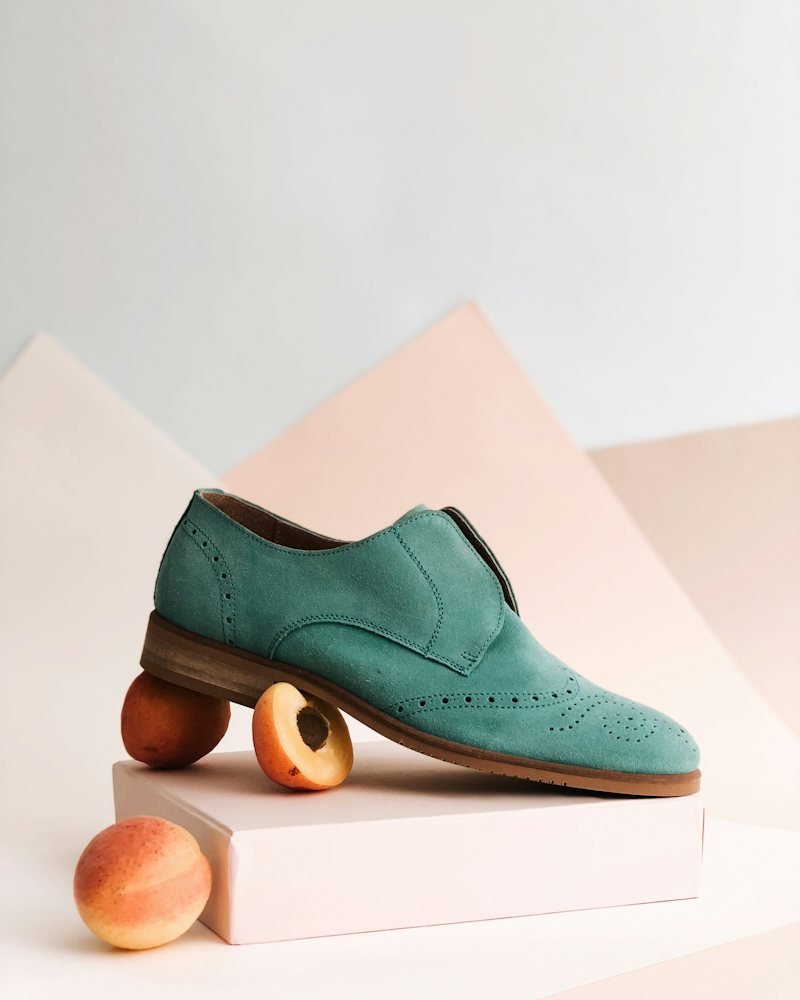
Shoes and tops are the most popular categories in any sheet, and also where fit decides whether you love the purchase. This guide covers USFans Spreadsheet sneakers, USFans Spreadsheet hoodies and USFans Spreadsheet T-shirts: how to measure, how to read charts and what to check before the parcel ships. For the general process, see the USFans Spreadsheet guide.
Start With Four Numbers
Before browsing, write down four measurements in centimeters: chest width, shoulder width, foot length and your usual t-shirt length. With those, almost every chart becomes readable in seconds.
Measure garments flat on a table, armpit to armpit for chest width and from the top of the shoulder to the hem for length. For feet, stand on paper with your heel against a wall and mark your longest toe; measure both feet and use the longer one.
Sneakers: Foot Length Beats Labels
In Shoes, everything depends on the chart. Some listings give foot length, others give insole length, and they are not the same number. As a rough guide, an insole around 5–10 mm longer than your foot is usually comfortable.
| Foot length | Insole to look for |
|---|---|
| 255 mm | 260–265 mm |
| 265 mm | 270–275 mm |
| 275 mm | 280–285 mm |
Adjust for style: knit runners tend to feel snug across the top of the foot, chunky models often feel narrower inside than they look, and high-tops leave room for thicker socks. If your feet are wide, half a size up is often more comfortable than the “correct” length.
Hoodies: Chest Width and Length
Hoodies in Hoodies/Sweaters range from light layers to dense heavyweight pieces. Compare chest width with a hoodie you own, then decide whether you want a regular or an oversized fit. Many listings are already cut boxy, so your usual size may look oversized without any change.
Look at fabric weight where it is stated. Heavier fleece keeps its shape and looks more structured; lighter terry breathes better and suits warmer weather. Ribbing on the cuffs and hem is a good indicator of overall quality.
T-Shirts: Width and Length Together
Boxy tees are wide and short, so checking only the chest gives a misleading result. Compare both width and length with a tee you like. Collar quality matters too: a tight, thick ribbed collar survives washing far better than a thin one.
Color is worth a moment’s thought as well. Neutrals are easy to combine and forgiving if the shade varies slightly in person; bold colors are better as accents, one at a time.
Fabric Weights in Plain Language
| Weight | How it feels | Best for |
|---|---|---|
| Light | Soft, breathable, slightly sheer in white | Summer, layering |
| Mid | Everyday structure | All-year wear |
| Heavy | Thick, structured, premium | Statement pieces, cooler months |
Ready to browse? Open the full USFans Spreadsheet with every category in one place.
USFans Spreadsheet Buy It NowChoosing Between Two Similar Pairs
Shoe listings often look nearly identical. When two candidates are close, compare the photos rather than the price. A listing with a clear side profile, a shot of the heel and a photo of the sole tells you far more than one with a single studio image. Then check the size range: a listing that only offers small or only large sizes is harder to replace later. Finally, read the note. If a row recommends one version over another, that recommendation usually reflects real buyer feedback, and it is worth following even if the price is slightly higher.
QC Checks for Shoes and Tops
When items reach the warehouse, check in this order. For sneakers: size tag, side profile, heel symmetry, both shoes matching, glue marks, sole color. For tops: size tag, collar and ribbing, print or embroidery alignment, stitching along shoulders and hem.
If the size tag is wrong, request an exchange immediately. If a color looks off, ask for a daylight photo before deciding; warehouse lighting is cool and bright and can shift shades.
Sizing Habits That Save Money
- Measure a garment you already own rather than trusting a size letter.
- Read the notes on the row; they often mention whether an item runs small.
- Request a measurement photo for expensive items.
- Approve QC only when the tag and key details are right.
Shipping Shoes Without Overspending
Shoes are usually the heaviest item in a parcel. Removing the box is the single biggest saving, and pairing the shoes with light items such as tees and caps keeps the total weight down. If you are buying two pairs, consider splitting them across two parcels unless the line you use handles heavier shipments well.
What to Do When Something Does Not Fit
If a garment arrives slightly tight or loose, before assuming it is a loss, try the simple fixes. A thicker or thinner insole changes how a shoe fits more than most people expect. A slightly loose tee can become a favourite as a layering piece under a jacket, and a hoodie that is a little long can be worn with wider pants without looking wrong. If the item is clearly the wrong size, contact support before wearing it outside and keep the packaging. Planning carefully is the real protection, but knowing these small adjustments exist removes some of the anxiety from ordering.
Where to Go Next
Once tops and shoes are sorted, the jackets, pants, jerseys and accessories guide covers the rest of an outfit. For planning the parcel itself, read the finds and hauls guide. All categories are on the USFans Spreadsheet homepage.
Back to: USFans Spreadsheet homepage – all categories and the full buying guide